
Aesthetic Medicine

Facial aesthetics & cosmetology at G20 IAMAC awards

Why to Join Aesthetic Medicine

Your Career Pivot: Why Now is the Best Time for Physicians to Enter Aesthetic Medicine Many dedicated physicians are finding themselves at a career crossroads: burnout from endless charting, shrinking reimbursement rates, and a diminishing sense of professional autonomy. If you are seeking a medical field that rewards skill, offers flexible hours, and places you firmly in control of your income and practice environment, the answer is clear: Aesthetic Medicine.The aesthetic industry is experiencing massive, sustained growth, driven by patient demand for preventative care and a desire for non-invasive treatments. For a licensed physician, now is the optimal time to make the career pivot and capitalize on this booming market. 1.The Financial and Professional Freedom The shift from insurance-based medicine to cash-pay aesthetics offers several unparalleled financial benefits: Cash-Pay Model Aesthetic procedures are primarily patient-paid, eliminating the long delays, denials, and administrative costs associated with insurance billing. You control the pricing and the revenue cycle. High Profit Margin Injectables and devices often carry high profit margins, especially when inventory is managed efficiently Entrepreneurial Opportunity Physicians can start a practice part-time, scale quickly, and eventually become a Medical Director for multiple locations, creating passive income streams 2. Improved Work-Life Balance and Reduced Burnout One of the greatest appeals of aesthetic medicine is the opportunity to design a better life Elective Procedures Aesthetic treatments are generally elective, meaning no overnight calls, no emergency room visits, and no critical care required. Controllable Schedule You dictate your hours and patient load. Many successful aesthetic practitioners choose to work 3-4 days a week, dramatically reducing burnout and improving quality of life. Positive Patient Interactions: Patients seeking aesthetic improvement are typically healthy and motivated, leading to far more positive and satisfying clinical interactions. know more here about aesthetic medicine courses The Market Demand is Exploding and Maturing The aesthetic patient demographic is rapidly expanding beyond traditional borders: Generational Demand: Millennials and Gen Z are focusing on preventative ‘pre-juvenation,’ starting injectable treatments earlier than ever before. Male Aesthetics: The number of cosmetic procedures performed on men has seen dramatic growth, adding an entirely new segment to the market. Technological Advancements: The continuous release of safer, more effective devices (RF Microneedling, new laser systems) keeps the field dynamic and exciting. 4. Your Medical Background is Your Greatest Asset Patients prioritize safety, and your MD or DO degree is the ultimate differentiator: Safety and Trust: Your comprehensive medical training provides the foundation to manage complications, understand pharmacology, and safely integrate aesthetic treatments with a patient’s overall health profile. Anatomical Expertise: Compared to non-physician injectors, your in-depth knowledge of facial and body anatomy provides a superior basis for advanced injection and device techniques. The combination of professional autonomy, high earning potential, and a vastly improved work-life balance makes aesthetic medicine the most compelling pivot for physicians today. However, your clinical degree is just the starting point. Success in this specialized field requires dedicated, intensive training focused on aesthetic skill, safety protocols, and practice management. Ready to transition your career and launch a successful aesthetic practice? IAMAC Institute offers foundational and advanced certification programs designed specifically for physicians. View our course calendar and start your new, rewarding career today.

Why to Join Aesthetic Medicine Read More »

BODY COUNTORING

Body Contouring

Non-Surgical Body Contouring: Is Cryolipolysis or RF the Right Choice for Your Patient? Patients are increasingly seeking alternatives to traditional liposuction to address stubborn pockets of fat and mild skin laxity. This demand has fueled a massive market for non-surgical body contouring devices, primarily leveraging two different energy sources: controlled cooling (Cryolipolysis) and targeted heat (Radiofrequency – RF).For a physician expanding their practice, understanding the distinct mechanisms, ideal patients, and comparative results of each technology is vital for treatment planning and ethical patient selection. Here is a guide to help you determine which technology—or combination—is right for your patient. 1. Cryolipolysis (Fat Freezing): Targeting Adipose TissueCryolipolysis works on the principle that fat cells (adipocytes) are more sensitive to cold than the surrounding tissue. Mechanism: A vacuum applicator draws tissue into a cup, where it is cooled to a precisely controlled temperature (e.g., -10^circtext{C}). This controlled freezing triggers apoptosis (programmed fat cell death) without damaging the skin, nerves, or muscle. Primary Effect: Fat reduction. The destroyed fat cells are slowly metabolized and eliminated by the body over 2-4 months. Ideal Patient: Patients with distinct, pinchable pockets of subcutaneous fat (e.g., lower abdomen, flanks, inner thighs). Not ideal for treating skin laxity. Radiofrequency (RF) (Thermal Contouring): Fat Reduction and Skin Tightening RF energy uses electromagnetic waves to heat tissue. In body contouring, it has the dual benefit of reducing fat and stimulating collagen. READ MORE HERE Mechanism: RF energy penetrates the skin and heats the deep dermal and subcutaneous layers to a therapeutic temperature (42^circtext{C}-45^circtext{C}). This heat causes: Fat Reduction (Lipolysis): The sustained heat causes fat cell breakdown. Skin Tightening: The heat causes immediate collagen contraction and stimulates the long-term production of new collagen and elastin, improving skin laxity. Primary Effect: Fat reduction AND skin tightening. Ideal Patient: Patients who have less pinchable, more diffused fat and, crucially, those who have mild to moderate skin laxity (sagging skin) along with their fat deposits. Comparative Analysis and Protocol Selection The choice depends entirely on the patient’s primary concern:  Primary Goal -Maximize fat reduction volume. – Fat reduction plus noticeable, skin tightening.   Patient Profile – Good skin elasticity, localized fat pockets. – Moderate skin laxity, small-to-medium fat volume.  Mechanism -Cold-induced Apoptosis (cell death)-  Heat-induced Lipolysis and Collagen Stimulation.  Procedure Sensation – Intense cold followed by numbness. -Deep, tolerable heat.   Best Used For -Flanks (“love handles”), large abdominal rolls. – Arms, knees, areas where skin quality is a concern.  The Future is Combination Therapy The most advanced aesthetic protocols now recommend combining both technologies for a comprehensive result: Start with Cryolipolysis: To achieve the maximum possible reduction in targeted fat pockets. Follow with RF: To tighten the skin that was previously stretched by the fat and address any remaining laxity post-reduction. In body contouring, the consultation is the procedure. Misselecting the technology can lead to poor results and patient dissatisfaction. By mastering the science behind both Cryolipolysis and RF, you can offer precise, tailored protocols that deliver on patient expectations. Ready to build a profitable body contouring practice? Join IAMAC Institute’s Body Contouring Certification Course to receive comprehensive training on proper patient selection, treatment protocols, and hands-on use of both Cryolipolysis and RF devices.

Body Contouring Read More »

Preventing Vascular Occlusion

Preventing and Managing Vascular Occlusion: A Step-by-Step Emergency Protocol Vascular Occlusion (V.O.)—the accidental injection of dermal filler into a blood vessel, blocking blood flow—is the most feared and serious complication in aesthetic medicine. While rare, its potential consequences, including skin necrosis (tissue death) and permanent vision loss, mean that preparedness is not optional; it is mandatory.Every physician performing injections must not only strive for prevention but also have an immediate, practiced, and standardized emergency protocol ready to execute. This is the ultimate test of an injector’s expertise and commitment to safety. Prevention is the First Line of Defense Superior training minimizes risk. The following preventive measures must be non-negotiable in your practice Aspiration: Pull back on the syringe plunger for 10-15 seconds before injection, especially in high-risk zones. If blood appears, reposition the needle/cannula. Slow Injection: Injecting the filler slowly, using small boluses (le0.1text{ ml} per site), reduces the pressure and the risk of arterial wall penetration. Low-Pressure Injection: Never inject against heavy resistance, as this is a strong indicator of placement in a tight fascial plane or vessel. Use of Cannulas: Employ blunt-tipped cannulas in high-risk zones (e.g., nasolabial fold, glabella) as they are designed to push vessels aside rather than pierce them. Anatomical Knowledge: Always inject with an absolute understanding of the local anatomy and the potential location of major vessels. Recognition: The Telltale Signs of a V.O. Early recognition is paramount. You must monitor the patient during and immediately after the procedure for the following signs. Immediate Pain Sharp, disproportionate pain that is distinct from the expected discomfort. Blanching The immediate appearance of a pale, white, or mottled (lacy) area of skin distal to the injection site, indicating a lack of blood flow. Capillary Refill When pressure is applied to the blanched area, the return of color is delayed (longer than 2 seconds). This is the gold standard for immediate confirmation. Livedo Reticularis A delayed sign (hours later) appearing as a purplish, web-like rash, indicating severe ischemia. The Step-by-Step Emergency V.O. Protocol If V.O. is suspected, activate this protocol immediately. DO NOT wait for laboratory confirmation or a second opinion.    Dosage & Technique: The dose is high (often 200 units to 500 units or more, depending on the area). Inject slowly into the blanched tissue and perivascularly (around the vessel). Repeat: Repeat hyaluronidase injection every hour for several hours, or until capillary refill is normalized and the blanching resolves. ASPIRIN & OXYGEN: Administer 325text{ mg} of aspirin (if no contraindications) to prevent clotting and provide supplemental oxygen. REFERRAL: If V.O. is confirmed (blanching persists after initial hyaluronidase), immediately refer the patient to a specialist (e.g., an ophthalmologist for ocular involvement, or a dermatologist/plastic surgeon). Dosage & Technique: The dose is high (often 200 units to 500 units or more, depending on the area). Inject slowly into the blanched tissue and perivascularly (around the vessel). Repeat: Repeat hyaluronidase injection every hour for several hours, or until capillary refill is normalized and the blanching resolves. ASPIRIN & OXYGEN: Administer 325text{ mg} of aspirin (if no contraindications) to prevent clotting and provide supplemental oxygen. REFERRAL: If V.O. is confirmed (blanching persists after initial hyaluronidase), immediately refer the patient to a specialist (e.g., an ophthalmologist for ocular involvement, or a dermatologist/plastic surgeon). Vascular occlusion is a serious reality in injectable aesthetics. Having a clear, practiced protocol—and ensuring you have adequate stock of hyaluronidase—is a non-negotiable marker of a responsible and expert injector. Your patient’s safety depends on your immediate, confident action. Ready to master life-saving complication management? IAMAC Institute’s Advanced Safety and Complication Management course provides hands-on, simulated V.O. protocols and in-depth hyaluronidase training. Secure your place now.

Preventing Vascular Occlusion Read More »

RF MICRONEEDLING

Difference Between Laser, IPL, RF Microneedling

The Age of Aesthetic Devices: Demystifying the Difference Between Laser, IPL, and RF Microneedling The Power of Energy Beyond injectables, the most significant driver of growth and patient satisfaction in aesthetic medicine comes from energy-based devices. These machines use light, heat, or radiofrequency to stimulate collagen, destroy pigment, or reshape tissue.However, the sheer variety of devices—from IPLs to fractional lasers to sophisticated RF microneedling systems—can be overwhelming. For a physician, success depends on understanding the fundamental mechanism of each technology to select the right device for the right patient condition. At IAMAC, we teach the science behind the machines. Here is a guide to demystifying the three core technologies you must master. 1. Lasers (The Focused Beam)Lasers operate on the principle of Selective Photothermolysis, meaning they target a specific chromophore (color/target) in the skin with a single, concentrated wavelength of light.  Mechanism: Highly focused light energy is absorbed by the target (e.g., melanin for pigment, hemoglobin for vessels), converted to heat, and destroys the target while sparing surrounding tissue.  Key Types:  Fractional Lasers: Create microscopic columns of injury (MCTs) to stimulate new collagen and treat deep scarring/wrinkles.    Q-Switched/Pico Lasers: Used for tattoo removal and specific pigment conditions (melasma). Primary Indications: Deep wrinkles, severe texture issues, scarring, tattoo removal, and targeted hair removal. Click here 2. Intense Pulsed Light (IPL) (The Broad Spectrum) *Often confused with lasers, IPL is distinct because it uses a broad spectrum of light (multiple wavelengths), which is then filtered to target specific chromophores. Mechanism: Multiple wavelengths are emitted, and the machine uses cut-off filters to customize the energy delivered. It is less precise than a single-wavelength laser but covers a broader area. Key Applications (Photorejuvenation):  Pigment: Targeting melanin to treat sun spots, freckles, and general sun damage.  Vassels: Targeting hemoglobin to treat broken capillaries, rosacea, and facial redness. Primary Indications: Correcting overall skin tone, treating redness/rosacea, and improving mild sun damage (“photo-aging”). Radiofrequency (RF) Microneedling (The Thermal Architect) This is a hybrid procedure that combines the controlled physical micro-trauma of microneedling with the deep thermal energy of radiofrequency. Mechanism: Insulated needles penetrate the skin to a customizable depth (0.5mm to 3.5mm+). Once at the desired depth, the tips emit RF energy, heating the dermis (not the epidermis/surface) to a therapeutic temperature (60^circ text{C}-70^circ text{C}). The Advantage: The energy bypasses the skin surface, making it safer for all skin types, especially darker skin tones, where surface heating can cause Post-Inflammatory Hyperpigmentation (PIH).  Primary Indications: Moderate to severe skin laxity, acne scarring, deeper wrinkles, and texture improvement. *Integration and Synergy in Treatment ProtocolsThe best aesthetic protocols often involve combining technologies: Treating deep acne scars may require a Fractional Laser followed by a series of RF Microneedling treatments. Correcting sun damage may involve an initial IPL for surface pigment, followed by maintenance with chemical peels. Device-based aesthetics carries significant responsibility. Incorrect settings, patient selection, or technique can lead to serious burns or permanent damage. The path to proficiency lies in understanding the underlying physics of energy transfer—the cornerstone of high-level training. Ready to safely integrate the latest device technology into your practice? Enroll in IAMAC Institute’s Laser & Energy-Based Device Certification Course and gain hands-on proficiency with the industry’s leading systems.

Difference Between Laser, IPL, RF Microneedling Read More »

5 Legal Business Pitfalls Every Doctor Must Avoid

Starting Your Aesthetic Practice: 5 Legal and Business Pitfalls Every Doctor Must Avoid The Business of Beauty Transitioning into aesthetic medicine offers incredible professional and financial rewards, but for many physicians, the jump from clinical practice to entrepreneurship is challenging. The aesthetic industry is a regulated medical field, yet it operates in a highly competitive retail-driven market.Procedural skill is only half the equation. The other half is mastering the business, legal, and compliance landscape. Failure to navigate these areas can lead to costly fines, malpractice claims, or even the closure of your practice. IAMAC Institute goes beyond the needle to ensure our graduates are armed with the business acumen to succeed. Here are 5 critical pitfalls every new practice owner must avoid. 1. Misunderstanding Delegation and Medical Director Oversight The Pitfall: Assuming non-physician providers (NPs, PAs, RNs) can operate autonomously, or believing a ‘Medical Director’ title is just a signature on a chart. The Fix: Every state has different, strict rules regarding the delegation of aesthetic procedures (Botox, Fillers, Lasers) and the level of direct or indirect physician supervision required. You must: Know Your State’s Law: Research the specific statutes governing the scope of practice for all staff. Establish Clear Protocols: Implement strict, documented guidelines for patient selection, dosage, complication management, and chart review. Your role as Medical Director must be active and verifiable. 2. Inadequate Malpractice and Business Insurance The Pitfall: Relying solely on your previous hospital-based malpractice insurance, or neglecting to secure specialized aesthetic and business coverage. The Fix: Aesthetic treatments carry unique risks (e.g., V.O. from filler). Your insurance must specifically cover the procedures and devices you offer (e.g., lasers, RF). Furthermore, you need: Premises Liability Insurance: For slips, falls, and accidents on your property. Cyber Liability: To protect patient data (PHI) in your electronic records, especially for HIPAA compliance. 3. Non-Compliant Patient Consent and Documentation The Pitfall: Using generic consent forms downloaded from the internet or failing to document the Patient’s Expectations vs. the Likely Result. The Fix: Aesthetic procedures have a highly subjective outcome. Comprehensive documentation must include: Procedure-Specific Consent: Detailing risks specific to the treatment (e.g., potential for blindness with certain filler injections). Photo Documentation: High-quality, standardized Before and After photos that are securely stored.Detailed Charting: Recording lot numbers, expiration dates, volumes injected, and the patient’s immediate post-treatment response. This is your primary defense in a legal dispute. 4. Ignoring the FTC/State Board Rules for Marketing The Pitfall: Making unsubstantiated claims in marketing (e.g., “Permanent Fat Removal” or “100% Guaranteed Results”) or running illegal contests/raffles for medical services. The Fix: Your aesthetic practice is a medical entity, and its advertising is scrutinized by the FTC and your state medical board.  Accuracy is Paramount: Avoid hyperbolic language. Base all claims on scientific evidence.  Informed Consent: Ensure any “before and after” photos include a disclaimer stating that results may vary.  Review and Compliance: Have a lawyer review your website and social media campaigns before launch. 5. Ineffective Pricing and Poor Inventory Management The Pitfall: Pricing services based on local competition without accurately calculating your Cost Per Unit (CPU) for injectables, leading to razor-thin margins. The Fix: Aesthetic success is driven by volume and efficiency.  CPU Calculation: Know the exact cost of a single unit of Botox or a single syringe of filler, including your overhead (rent, staff time).  Staff Utilization: Optimize staff roles (e.g., have an aesthetic coordinator handle consults and scheduling) to free up physician time for high-value procedures.  Avoid Over-Discounting: Run targeted promotional campaigns, but maintain your core pricing integrity. Lorem ipsum dolor sit amet, consectetur adipiscing elit. Ut elit tellus, luctus nec ullamcorper mattis, pulvinar dapibus leo. Your medical training prepared you to care for patients; IAMAC’s training prepares you to safely treat them and run a thriving business. By avoiding these common pitfalls, you will build a resilient, compliant, and profitable aesthetic practice. Ready to launch your practice with confidence and compliance? Explore IAMAC Institute’s Aesthetic Practice Management Workshop to master the business, legal, and marketing strategies for long-term success.

5 Legal Business Pitfalls Every Doctor Must Avoid Read More »

Advanced Cannula Techniques

Beyond the Basics: How Advanced Cannula Techniques Are Revolutionizing Filler Safety Elevating the Standard of Care For years, the sharp needle was the undisputed standard for dermal filler injections. While effective, its use carries inherent risks, notably increased bruising, swelling, and, most critically, the danger of vascular occlusion (V.O.)—where filler is injected into a vessel, blocking blood flow.The introduction and popularization of the blunt-tipped micro-cannula have fundamentally shifted the paradigm in aesthetic medicine. It is not just a tool; it is a commitment to safer, less traumatic, and often more precise structural placement. For aesthetic practitioners, moving beyond the basics means mastering this essential advanced technique Click here 1. Why the Blunt Tip is a Game Changer for Safety The fundamental difference between a needle and a cannula lies in the tip. Tip -Sharp & Pointed – Rounded & Atraumatic – Safety: Pushes vessels aside, drastically reducing the chance of accidental puncture.   Flexibility – Rigid  Flexible – Coverage: Allows fanning and treating large areas (e.g., the cheek) from one single entry point.  Risk Reduction-| High V.O. Risk  Significantly Lower V.O. Risk  Patient -Protection: Reduces the likelihood of the most severe complication.  Trauma -High & Low – Reduced Downtime: Less bruising and swelling means happier patients.  2.Strategic Application: The Cannula’s Safest Zones While the needle remains ideal for superficial fine lines, the cannula excels in areas requiring deep volume restoration, contouring, and those with dense vascularity The Cheek and Mid-Face: The cannula allows for broad, safe placement of structural filler deep over the bone, creating lift and avoiding the complex overlying vascular network. The Jawline and Chin: Perfect for contouring, the cannula minimizes trauma along the mandible and provides smooth product layering. The Temples: A high-risk area for injection, the cannula provides a safer route for placing filler in the deep temple hollow The Art of the Cannula: Technique and Mastery Mastering the cannula is a tactile skill that requires dedicated, supervised training. IAMAC’s advanced programs focus on Precision Pre-Poking: The cannula requires a small initial entry point, which must be strategically placed for optimal access and minimal visible scarring. Tissue Plane Identification: Learning to ‘feel’ the cannula glide through the correct subcutaneous or supraperiosteal layer. Resistance means caution; smooth movement confirms correct placement. The Fanning Technique: Injecting filler in a linear, continuous fashion while slowly withdrawing and redirecting the cannula to treat a broad area from one entry point. The move from needle to cannula for specific procedures is the clearest demonstration of an injector’s commitment to modern safety standards. It elevates your outcomes, minimizes patient downtime, and, most importantly, protects against catastrophic complications. If you are serious about advanced aesthetic medicine, the cannula must be in your toolkit. Ready to master the most critical safety technique in injectable aesthetics? Secure your place in IAMAC’s Advanced Injector Course, featuring extensive hands-on training with micro-cannulas and live patient safety protocols.

Advanced Cannula Techniques Read More »

skin thinning

5 Most Common Treatment combinations

Botox vs. Dermal Fillers: Your Roadmap to the 5 Most Common Treatment Combinations The Synergy of Injectables The most effective approach in modern aesthetic medicine is rarely a single product or treatment. It is the intelligent, strategic combination of different modalities. For doctors, mastering this synergy is key to providing patients with truly holistic, natural-looking facial rejuvenation. Botulinum Toxin (Botox, Dysport, Xeomin) and Dermal Fillers (HA, CaHa) are the foundational tools, but they treat fundamentally different issues:  Botox – Muscle Relaxation -Dynamic Wrinkles (caused by movement) -3-4 Months.   Dermal Fillers – Volume Restoration & Structuring -Static Wrinkles, Volume Loss, Contouring -6-24 Months.  The most compelling results are achieved when these two modalities are used together. Here is a roadmap to the 5 most effective combination protocols you need to know. The ‘Upper Face Reset’ (Botox + Superficial Filler) The Problem: Deep dynamic lines (forehead/glabella) and volume loss in the temples that creates a hollow, aged look. The Protocol: Botox is used to relax the muscles causing frown lines and horizontal forehead wrinkles. A small amount of thinner, lighter Dermal Filler is placed in the tear troughs or temples to restore subtle volume and light. The Result: A smooth forehead area combined with an opening and brightening of the upper third of the face. The ‘Full Face Lift’ (The Non-Surgical Liquid Facelift) The Problem: General descent of the midface, jowls, and loss of jawline definition. The Protocol: This is a comprehensive strategy. Botox is used to relax the muscles that pull the face down (like the depressor anguli oris). Dermal Filler is then strategically placed deep in the cheeks (for lift) and along the chin and jawline (for contour and anchor points). The Result: An overall lift and restoration of the youthful ‘triangle’ of the face, minimizing jowls and restoring definition. Read more about thread lifts surgery Perioral Rejuvenation (‘Smoker’s Lines’ & Marionette Lines) The Problem: Vertical lines above the lip (perioral lines) and deep marionette lines that pull the mouth corners down. The Protocol: A small, precise dose of Botox is used around the upper lip to soften muscle movement that causes the vertical lines. A soft Dermal Filler is then used to fill the static lines and provide support to the oral commissures (mouth corners).  The Result: Smoother lips, reduced static lines, and a happier, less ‘down-turned’ expression. Neck and Décolletage (‘Nefertiti Lift’ & Lines) The Problem: Vertical neck bands (platysmal bands) and horizontal lines in the neck and chest. The Protocol: Botox is injected into the vertical platysmal bands to relax them and create a slight lifting effect on the jawline (The Nefertiti Lift). A very thin, hydrating Filler or bio-stimulator is used superficially to treat the horizontal “tech-neck” lines. The Result: A smoother neck contour and improved skin texture in the often-forgotten décolletage area. Hand Rejuvenation (Botox + Filler/Biostimulators) The Problem: Visible tendons and veins on the back of the hands, often with mottled skin texture. The Protocol: While a less common combination, Botox can be used in some cases to reduce excessive hand sweating (hyperhidrosis). More importantly, Dermal Fillers (or biostimulators like Radiesse) are placed on the back of the hands to restore volume and mask the visibility of underlying structures. The Result: Younger-looking hands that match the rejuvenated face. The highest level of aesthetic practice is defined by the ability to create personalized, multi-product treatment plans. This strategic combination of muscle-relaxing toxins and structure-restoring fillers allows you to treat the entire aging face holistically. Ready to master the art of combination therapy? Join IAMAC Institute’s Advanced Injectables Masterclass to learn these protocols and design complete, synergistic treatment plans for your patients.

5 Most Common Treatment combinations Read More »

aesthetic courses

Aesthetic Medicine Courses at IAMAC

iAMAC MISSION Our Mission IAMAC is India’s leading institute for medical cosmetology and aesthetic medicine, offering comprehensive courses designed for doctors, dermatologists, and skincare professionals. Our Aesthetic Medicine curriculum combines scientific knowledge, clinical expertise, and hands-on practical training, enabling practitioners to deliver safe, effective, and natural results. Over goal is to empower medical professionals to enhance skin health, rejuvenate appearance, and improve quality of life for patients using advanced aesthetic techniques.  Comprehensive Aesthetic Medicine Curriculum 1. Laser Treatments for Skin Advanced laser therapies for pigmentation, scars, and skin resurfacing. Hands-on training with CO₂, Nd:YAG, IPL, and fractional lasers. Techniques for treating acne scars, fine lines, and pigmentation disorders safely and effectively. 2. PRP (Platelet-Rich Plasma) Procedures Skin rejuvenation and hair restoration using autologous plasma therapy. Clinical protocols for anti-aging, pigmentation correction, and tissue regeneration. Integration of PRP with other treatments for enhanced results. 3. MNRF (Microneedling Radiofrequency) Collagen induction therapy for scar reduction, skin tightening, and rejuvenation. Training on combining microneedling with RF for deeper skin remodeling. Safe, patient-specific protocols to maximize results with minimal downtime. 4. Skin Lifting & Rejuvenation Techniques for non-surgical facial contouring and lifting. Use of threads, energy-based devices, and combination therapies. Focus on natural, long-lasting aesthetic outcomes. 5. Microdermabrasion & Skin Resurfacing Mechanical and diamond-tip microdermabrasion for skin texture improvement. Protocols for acne scars, fine lines, pigmentation, and dull skin. Integration with chemical peels and laser treatments for optimal results. Why Choose IAMAC for Aesthetic Medicine? Pioneer Institute: One of India’s first institutes offering structured aesthetic medicine courses. Hands-On Clinical Training: Real patient experience under expert supervision. Globally Recognized Certification: Enhances career prospects in dermatology and cosmetic medicine. Comprehensive Curriculum: From theory to practical application, covering all major aesthetic procedures. Patient-Centric Approach: Learn techniques that ensure safe, natural, and effective outcomes. Join IAMAC to master advanced aesthetic procedures, including lasers, PRP, MNRF, skin lifting, and microdermabrasion. Become a certified aesthetic medicine professional capable of transforming patient confidence and skin health.  Enroll in IAMAC’s Aesthetic Medicine Courses Today

Aesthetic Medicine Courses at IAMAC Read More »

threads

Thread Lifts with Fillers, Botox, and Skin Treatments

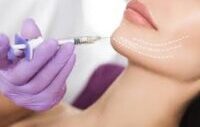
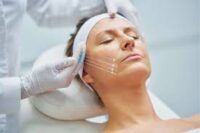
Integrating Thread Lifts with Fillers, Botox, and Skin Treatments: A Holistic Approach for Doctors Thread lifts are highly effective for repositioning sagging tissues and providing subtle lifting. However, optimal facial rejuvenation requires a multi-modal approach. For doctors, understanding how to integrate thread lifts with fillers, neuromodulators, and skin treatments ensures natural, balanced, and long-lasting results. Complementary Treatments and Their Roles Fillers: Address volume loss in mid-face, cheeks, and jawline. Can enhance the lifting effect of threads by supporting underlying structures. Example: In a patient with mid-face sagging and sunken cheeks, combining a PDO thread lift with hyaluronic acid fillers restores contour and improves skin support. Botox and Other Neuromodulators: Relax dynamic facial muscles that cause wrinkles and expression lines. Reduces tension on thread lifts, preserving the longevity and natural look. Example: Injecting Botox in the lower face before a jawline thread lift can prevent excessive downward pull from active muscles.  Skin Treatments (Lasers, Microneedling, PRP): Improve skin texture, firmness, and elasticity. Stimulate collagen and enhance thread lift results. Example: Fractional laser treatment before or after a thread lift can improve skin tightening and overall facial rejuvenation.  Clinical Insights for Doctors: Treatment Sequencing: Proper sequencing is critical. Threads are usually placed first to reposition tissues, followed by fillers to restore volume, and Botox to manage dynamic lines. Skin treatments can be scheduled before or after, depending on the modality. Patient-Specific Planning: Age, skin quality, muscle activity, and degree of sagging determine the combination and timing of treatments. Each patient requires a customized plan to avoid overcorrection or unnatural outcomes. Safety Considerations: Combining treatments requires awareness of anatomical landmarks, vascular risks, and potential interactions between procedures. For instance, injecting fillers too close to thread anchoring points can compromise thread lift results. Get hands on in these techniques Practical Tips: Document vectors, filler placement, and injection sites for integrated planning. Start with conservative approaches and adjust based on tissue response. Educate patients about staged treatment plans, recovery timelines, and expected outcomes.  Click here to know more

Thread Lifts with Fillers, Botox, and Skin Treatments Read More »

Scroll to Top
Dany Williams

Dany Williams

Typically replies within an hour

I will be back soon

Dany Williams
Hey there 👋
It’s your course counselor. How can I help you
WhatsApp