
The Science of PDO Thread Lift & COG Lift: Materials and Mechanism
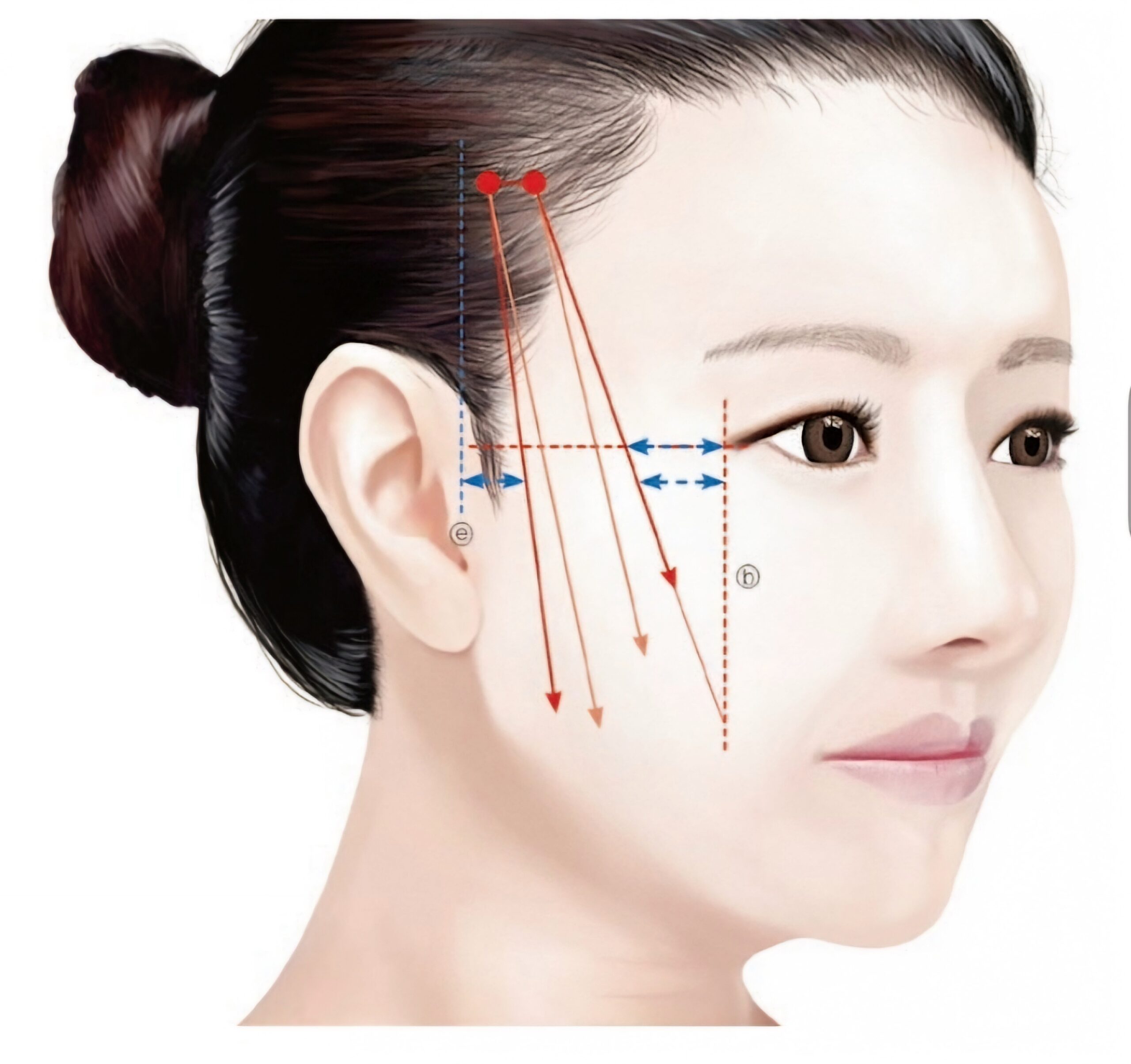
Go beyond basic monofilaments. This section ensures competence in selecting and using the correct material for the desired aesthetic and biological outcome. * Material Science Deep Dive: Comprehensive understanding of PDO threads(Polydioxanone), PCL (Polycaprolactone), and PLLA (Poly-L-Lactic Acid)—their biodegradation times, tensile strength, and collagenesis properties. * Types of Threads: Mastery of different structures: * Mono & Screw Threads: For skin texture, volume, and collagen stimulation. * Cog/Barbed Threads: For vector support and anchoring in subcutaneous planes. * Molded/Suspension Sutures: The advanced technology used for significant lifting and repositioning of ptotic tissue. * Vector Planning: Learning to map gravitational descent and strategically place threads to counteract ptosis, lift jowls, and elevate the brow for a natural, refreshed look. Scientifically, we gain The Mastery of Facial Biomechanics. We begin not with the pdo threads , but with the science of the lift—understanding how to counteract gravity using anatomical anchors and strategic vectors. * Advanced Suture Science: In-depth selection criteria for PCL (Polycaprolactone), PLLA (Poly-L-Lactic Acid), and PDO (Polydioxanone). Learn how to leverage the superior collagen stimulation and longer retention offered by PCL/PLLA. * Vector Dynamics & Mapping: Mastering the mathematical and artistic principles of lift. Hands-on practice in pre-procedural vector charting to define the entry and exit points that maximize lift and minimize dimpling or thread visibility. * The Suspension Principle: Moving beyond skin tightening to deep fascial anchoring. Techniques for identifying and utilizing secure anchor points (e.g., temporal fascia, pre-auricular skin) for true, enduring tissue suspension.
Hands-On Mastery in Thread Lift : Advanced Techniques and Planes
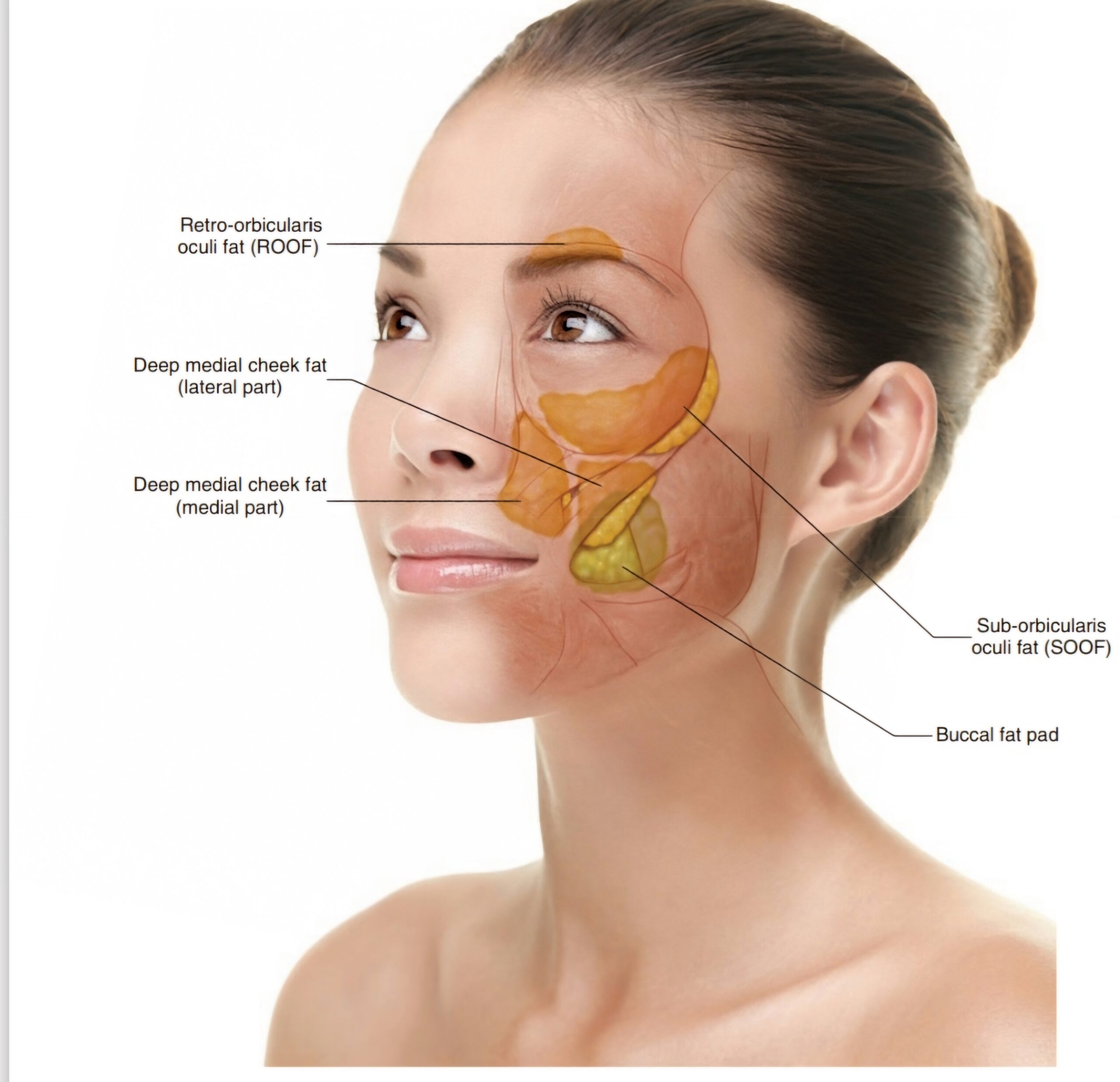
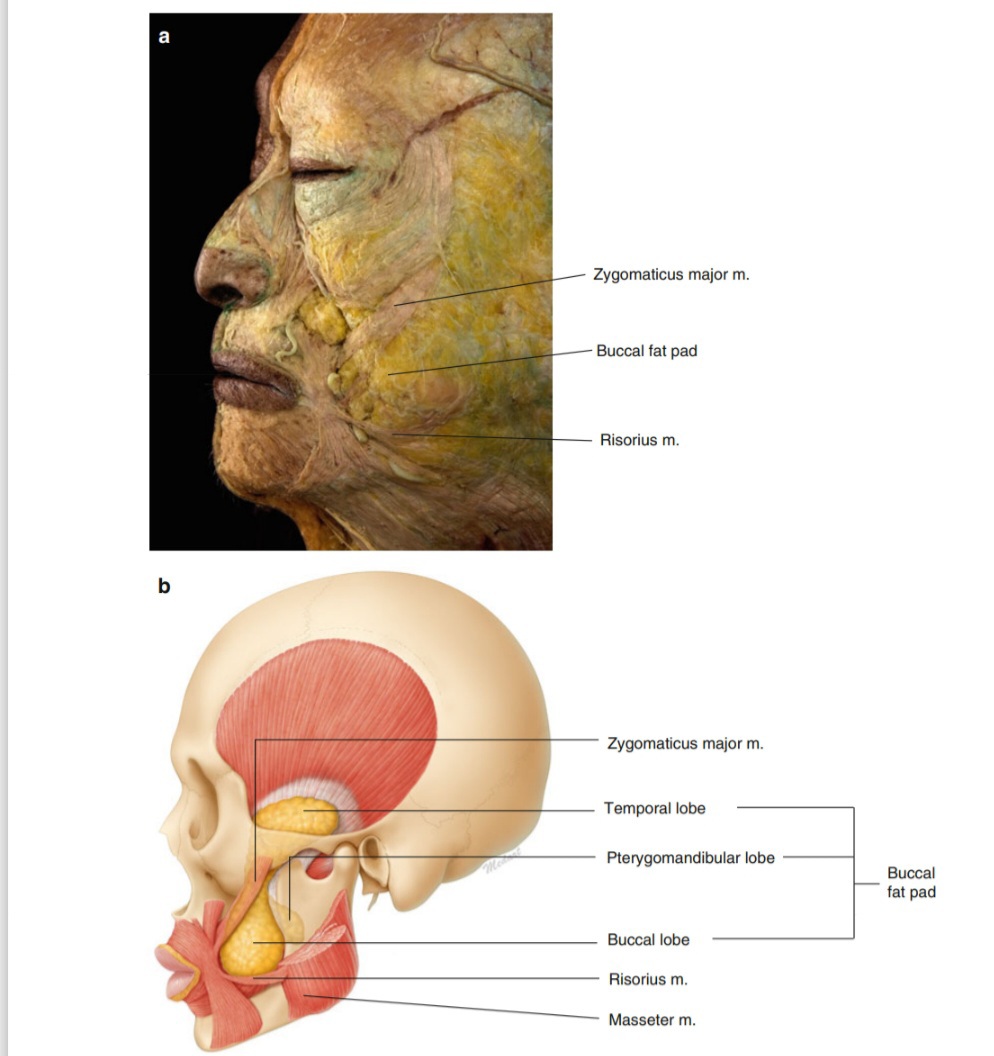
Our hands-on training ensures proficiency in all high-impact lifting areas, focusing on cannula-based insertion for maximum safety. Area of Focus is Technique & Planes and its Aesthetic Outcome. Mid-Face COG threads Lift - Subcutaneous anchoring using cog/molded threads in the temple and pre-auricular areas, lifting the malar fat pad. Cheek lift- reduction of nasolabial folds. Jawline & Jowl Definition -Vector mapping for jowl elevation, creating a sharp mandibular border, and using stabilizing threads in the submental area. Defined jawline, reduced double-chin appearance. Fox/Cat Eye Thread Lift - Advanced placement of suspension threads in the lateral brow and temporal region to achieve the coveted lifted eye aesthetic. Lateral brow elevation and reshaping. Non-Surgical Neck Lift. Use of threads in the neck and submental region for skin tightening and gentle platysmal-band support. Smoother neck contour.Comprehensive Mid-Face Repositioning | Cannula-guided placement of molded/cog sutures into the deep subcutaneous fat layer, targeting the Malar fat pad lift. Corrects descent, restores cheek volume, softens nasolabial folds. |Mandibular & Jowl Recontouring -directional suspension to specifically elevate the jowl complex, establishing a sharp, defined angle of the mandible. | Non-Surgical Jawline Sculpting ("V-Lift" effect). |Forehead & Brow Suspension - Advanced trajectory planning for lateral brow elevation and temple anchoring, creating the Fox/Cat Eye lift aesthetic. Opening the eyes, correcting temporal hollowing.
Clinical Immersion: The IAMAC Lift Protocol
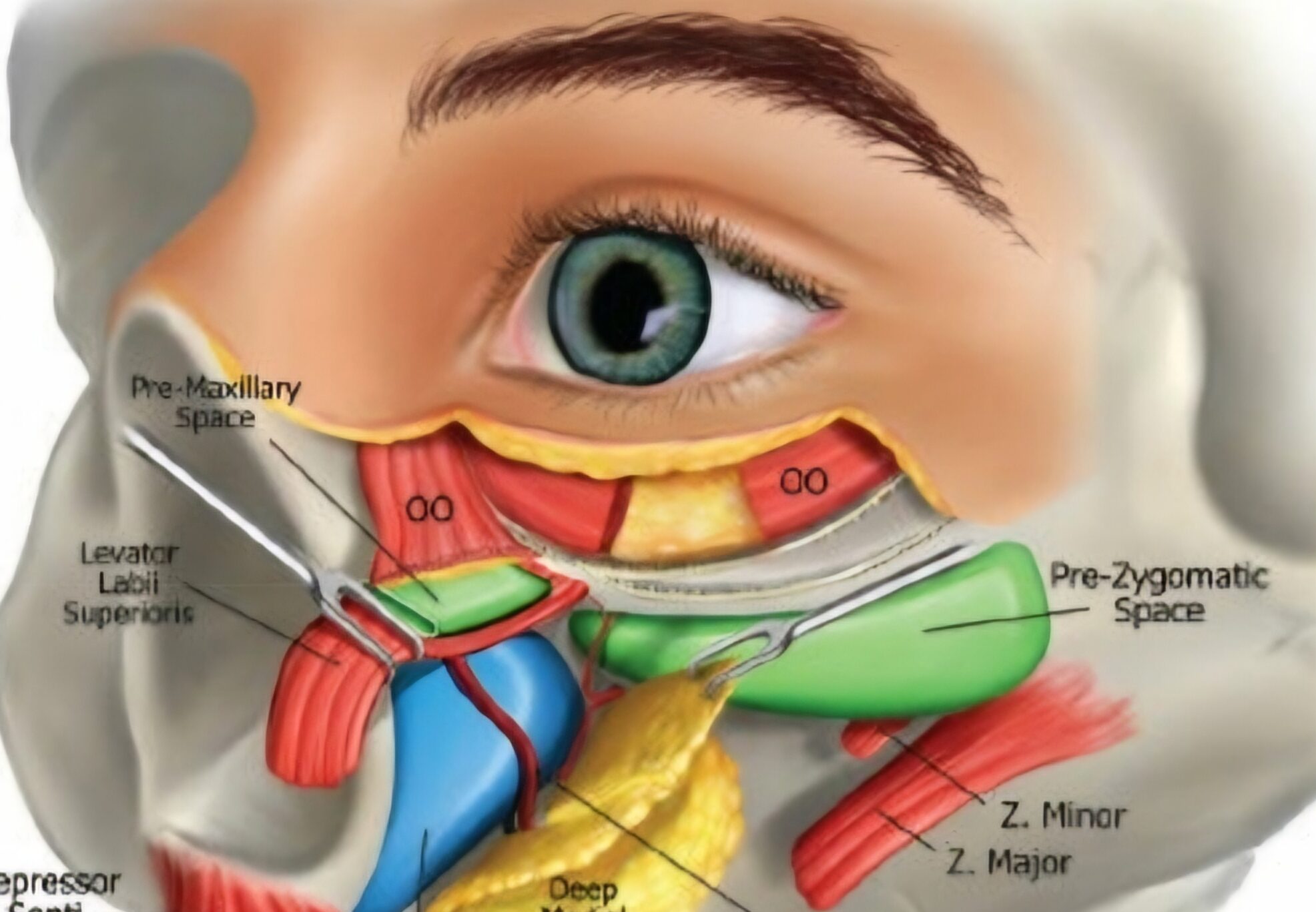
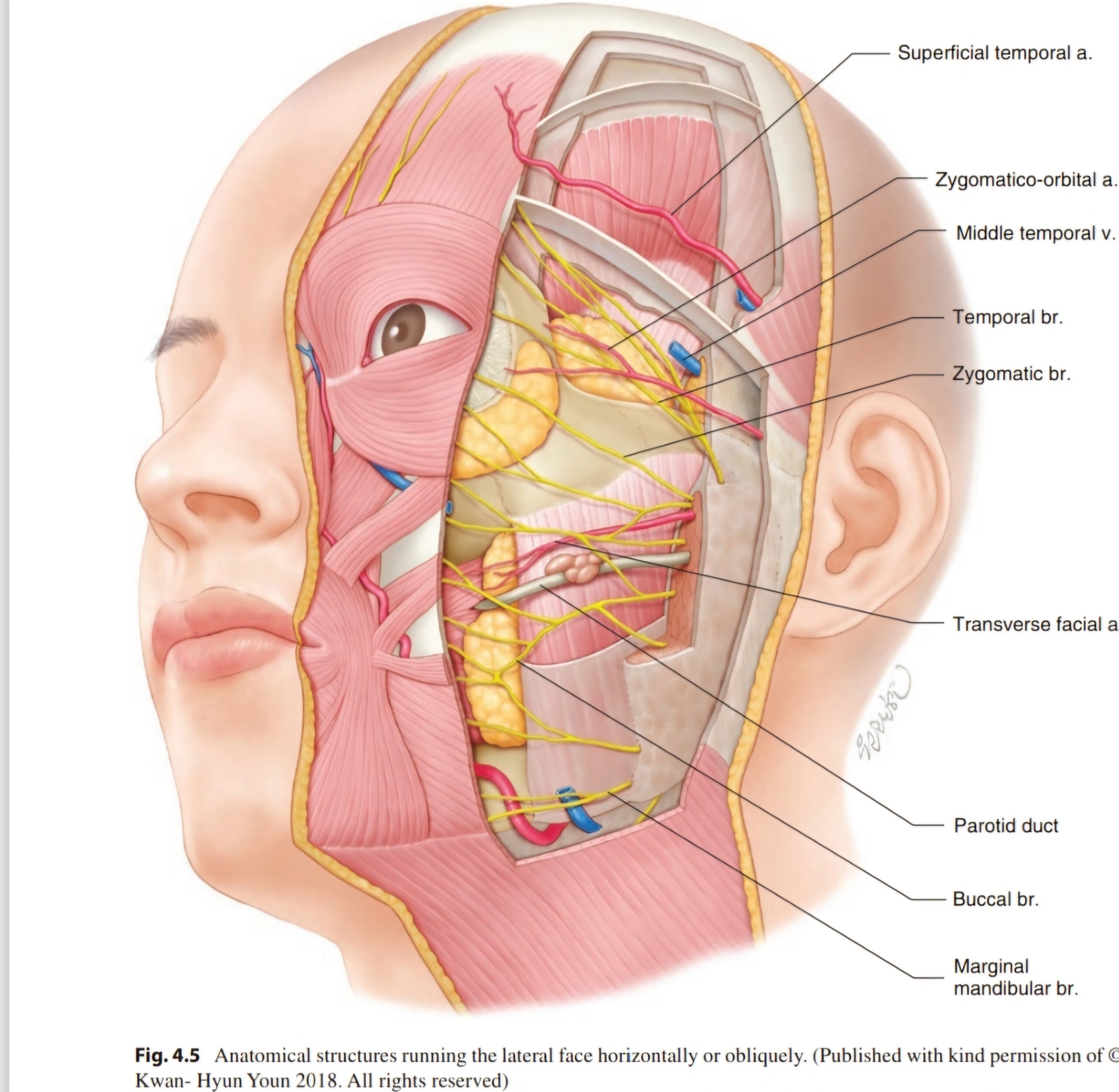
Achieve guaranteed proficiency in the most complex, high-demand thread lift procedures through extensive, supervised live patient cases. Zero-Risk Anatomical Zones: Meticulous training on proximity to the Parotid gland, facial nerves, and major vascular pathways. Use of ultrasound guidance for advanced anatomical verification (where applicable). Advanced Cannula Insertion: Strict protocol enforcement for blunt-tip cannula use for all suspension threads, minimizing the risk of nerve or vessel damage. Complication Resolution: Step-by-step management protocols for dimpling, tethering, thread breakage, and localized infection—including thread removal techniques when necessary. Your success in thread lifting will elevate your clinic's status as a leader in non-surgical aesthetics.
Safety First during Thread Lift : Entry Points and Complication Protocol
Thread lifting requires precision to avoid nerve injury, glandular damage, and thread exposure. * Anatomical Danger Zones: Detailed practice on safe entry points, particularly around the Parotid Gland, Marginal Mandibular Nerve, and Facial Artery pathways. * Cannula Insertion Mastery: Primary use of blunt-tip cannulas for thread insertion to minimize trauma and vascular risk. * Complication Management: Protocols for managing dimpling, puckering, thread migration/palpability, infection, and rare nerve paresthesia.
The Combination Approach -The Ultimate Thread Lift Course. PDO threads and COG lifts
Learn how to strategically combine thread lifts with other modalities for a complete Non-Surgical Face Lift result: * Threads + Fillers: Using pdo threads and cog threads for structural lift, and fillers for volumetric support (e.g., temples and chin). * Threads + Neurotoxins: Combining jawline pdo threads and cog threads threads with Masseter Botox for superior lower-face V-shaping. * Threads + EBDs: Using threads to lift, and RF/Ultrasound devices for surface skin tightening and collagen remodeling. Thus you will learn , Seamlessly integrating threads for lift with fillers for volume and neurotoxins for paralysis/relaxation—the true art of the complete non-surgical patient transformation to achieve maximum rejuvenation with balanced, natural results.
Apply today for the upcoming FIA cohort or request detailed prospectus and fee structure options.
 Clinical Campus Address: 1st Floor, Royal Business Hub, Chaudi, Canacona, Goa – 403702