
Masters in Dermal Fillers
Dermal fillers artistry requires a mastery of multi-plane injection depth, volume physics, and advanced anatomical safety. This module in dermal fillers moves beyond simple superficial correction to focus on structural restoration and achieving pan-facial harmony including upper face , mid face, lower face fillers , tear trough , cheek rejuvenation, lip fillers using advanced injection tools.
Dermal Fillers: Mastering Full Face Fillers, Cannula Techniques , Pan-Facial Contouring For Clinical Success
Dermal fillers artistry requires a mastery of multi-plane injection depth, volume physics, and advanced anatomical safety. This module in dermal fillers moves beyond simple superficial correction to focus on structural restoration and achieving pan-facial harmony including upper face , mid face, lower face fillers , tear trough , cheek rejuvenation, lip fillers using advanced injection tools.
What You Will Learn: Core Syllabus Modules
This Masterclass is structured around high-yield modules designed to transition practitioners from competent injectors to clinical masters of facial aesthetics. Intensive practical training utilizing both sharp needles (for deep periosteal bolus) and micro-cannulas (for safety and superficial contouring). Master linear threading, fanning, cross-hatching, and understanding the rheological performance of various filler products. Upon enrollment you will get the complete modules and complete syllabus including materials required for the course.
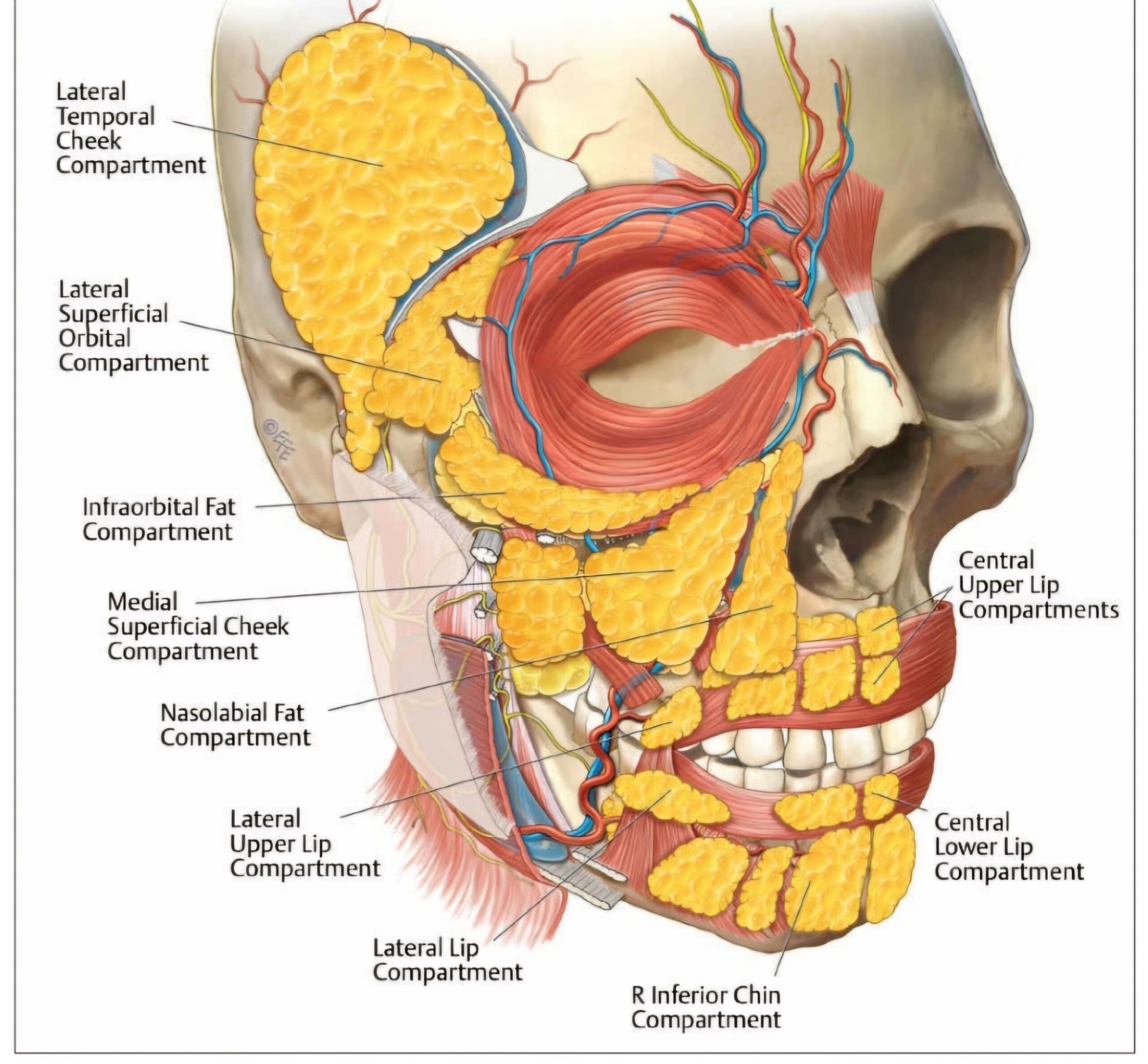
Foundational Mastery Dermal FILLERS : Product Science and Anatomical Safety
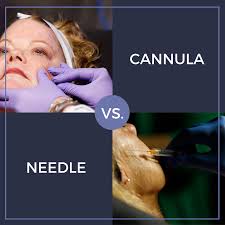
Tool Mastery: Needles vs. Cannulas Technique
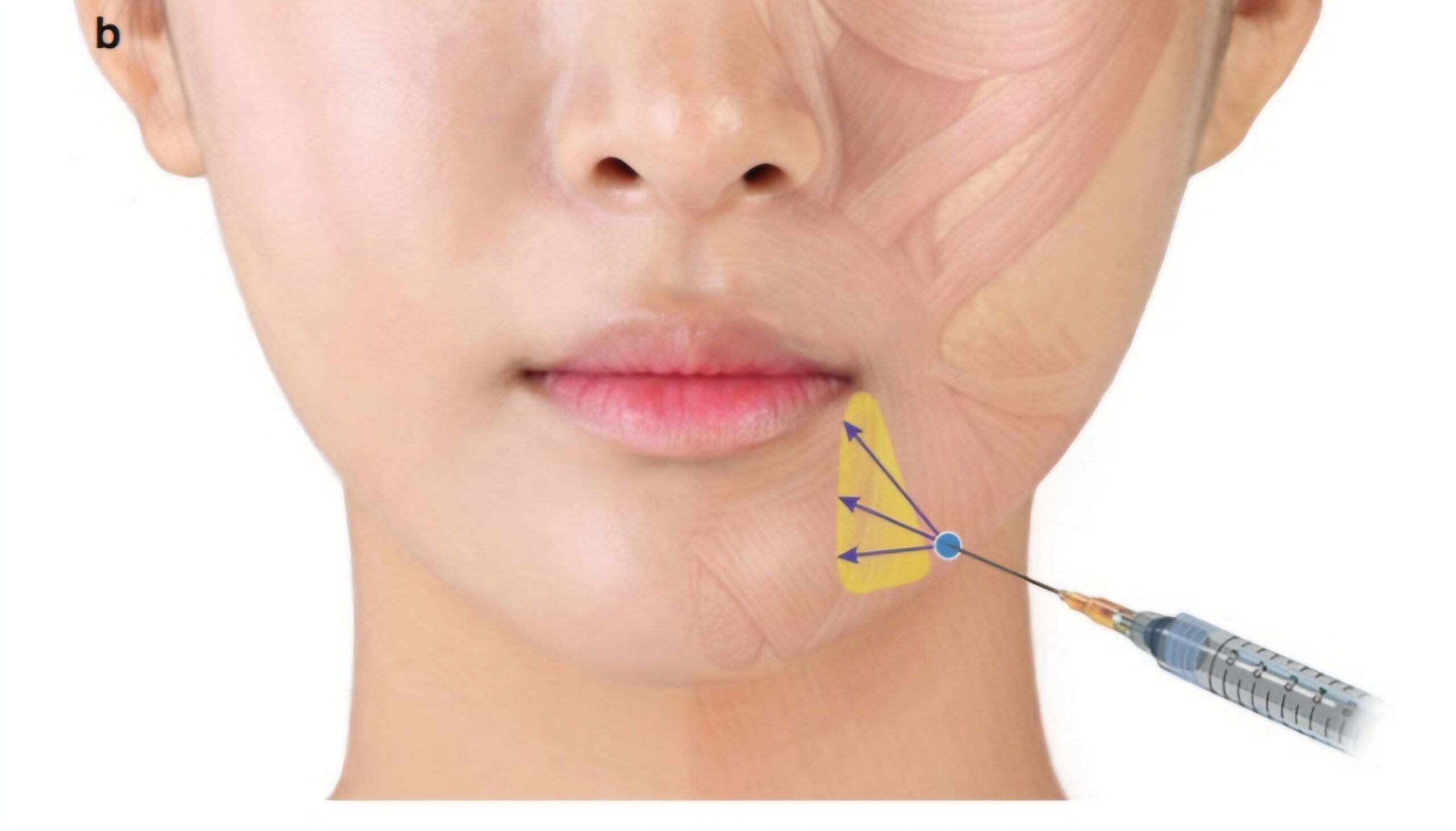
Advanced Pan-Facial Dermal Fillers Contouring Techniques
Dermal Fillers Complication Management Simulation
Trainees participate in high-fidelity simulations of vascular occlusion following injection of dermal fillers , ensuring the ability to diagnose, react, and manage this critical event immediately and effectively.
Admission Requirements & Document Checklist
Eligibility: Open to Non-Medical Graduates, Beauty Therapists, Cosmetology Trainees, Nursing Assistants, and Skill Development Seekers.
Required Documents for Verification:
Scanned color copy of 10th & 12th Marksheets
Last Education Certificate / Marksheet / Medical Registration
Identity Proof (Identity Card / Passport / Official ID)
Latest Passport Size Photograph
Document verification turnaround: 1 working week. Class access enabled within 30 days of registration.
Have Questions? Speak to an Enrollment Specialist .
Frequently Asked Questions(FAQ)
What are the mandatory professional prerequisites for enrollment?
Enrollment is strictly reserved for actively licensed medical professionals (MD, DO, DDS, NP, PA, RN . This masterclass assumes prior knowledge of basic injection sites and sterile field preparation .
Is the course material focused solely on Hyaluronic Acid (HA) fillers?
While HA fillers are primary, the curriculum includes comparative analysis of rheological properties across various filler classifications, including Calcium Hydroxylapatite (CaHA) and Poly-L-Lactic Acid (PLLA), discussing their specific integration into the tissue matrix and long-term bio-stimulation.
How will the course advance my understanding of facial anatomy beyond superficial landmarks?
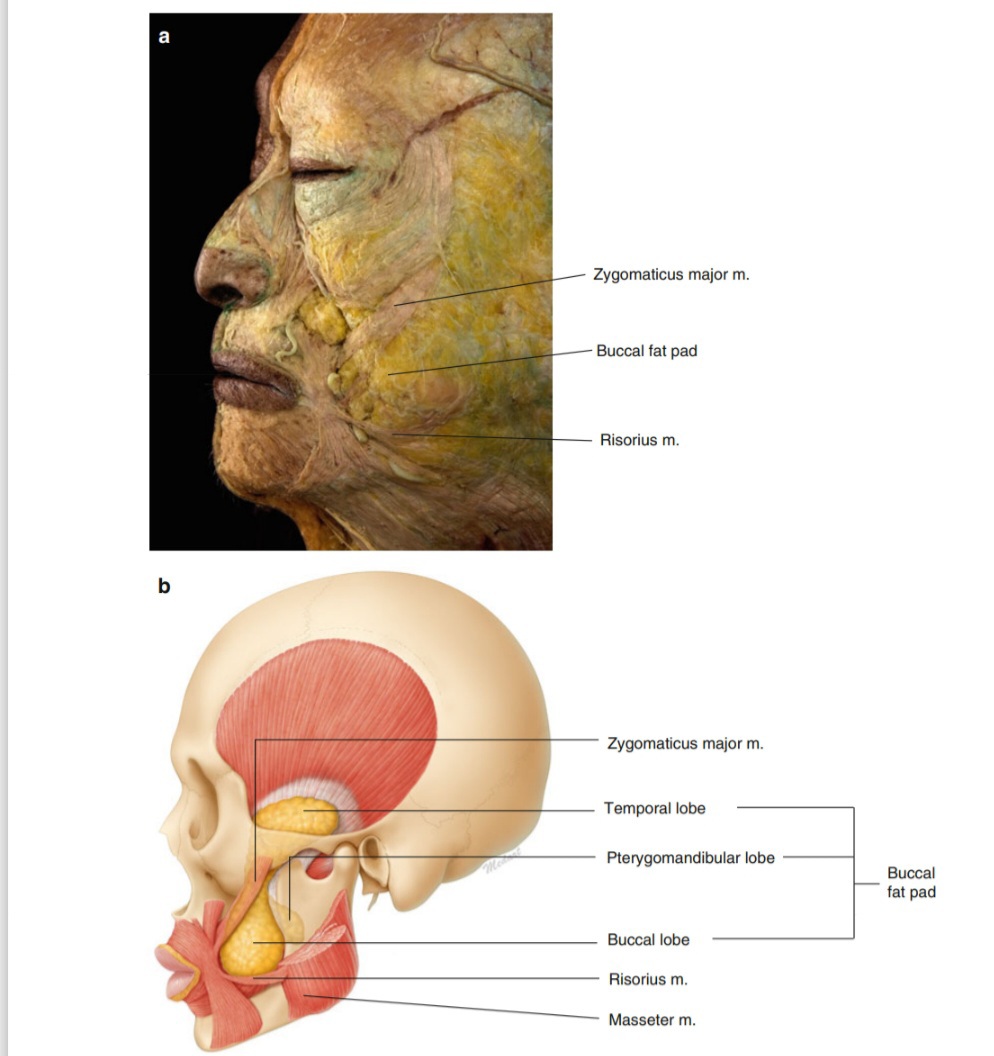
We provide an intensive, applied review of the facial vascular architecture (particularly facial and infraorbital arteries) and deep fat pads. Focus is placed on differentiating between periosteal, subdermal, and supraperiosteal placement planes to ensure both efficacy and safety.
Will we receive hands-on training with both needle and micro-cannula techniques?
Yes. Practical sessions mandate proficiency in both modalities. Needles are utilized for deep bolus injections and periosteal contact, while micro-cannulas are applied for linear threading, fanning techniques, and navigating high vascular density zones, thereby mitigating tissue trauma
Are we trained to manage delayed hypersensitivity reactions?
The course outlines the differential diagnosis between biofilm formation, granulomatous response, and true allergic reactions. We cover therapeutic protocols involving corticosteroids and antimicrobials as indicated by the clinical presentation.
What is the delegate-to-model ratio during the practical sessions?
We maintain an exceptionally low delegate-to-model ratio, typically 4:1 or lower, to ensure intensive, direct supervision from faculty during every injection sequence. This ratio is essential for the safe execution of advanced clinical techniques.
ADMISSIONS & CONTACT
Apply today for the upcoming FIA cohort or request detailed prospectus and fee structure options.
 Clinical Campus Address: 1st Floor, Royal Business Hub, Chaudi, Canacona, Goa – 403702
Table of Contents
Toggle